FULL BUYING GUIDEOpen the detailed decision logic
Start with the commute, not the boardroom photograph
An office bag spends more time in transit than in a meeting room. A person walking to a metro station needs secure closures, balanced carry and sensible bottle placement. A two-wheeler commuter may prioritise a stable backpack and practical rain protection. Someone driving door to door can reasonably value a structured tote or messenger because the bag is carried for shorter periods. Begin with the harshest repeated part of the journey rather than the most polished product image.
Access also matters. If identity cards, earphones, keys and a phone are used repeatedly, external pockets can reduce friction, but too many exposed compartments can create security risk in crowded travel. If the bag regularly sits on office floors, a stable base and cleanable exterior may be more valuable than decorative hardware. The right office format therefore follows the commute pattern, load and access frequency, not a generic professional label.
Laptop fit requires measurements
Laptop compatibility is frequently described using diagonal screen size, but devices with the same advertised screen size can have different body dimensions. Measure the actual laptop width, height and thickness, then compare them with the internal sleeve dimensions where those are published. Allow room for the closure to operate without pressure on the device. A sleeve that is excessively loose can also permit movement, so verify padding placement and whether the base of the device is protected from impact.
Consider the rest of the technology load. Chargers, power banks, a mouse, headphones and adapters can add substantial volume and weight. A bag photographed with only a slim laptop may behave differently when all of these items are added. Separate hard accessories from the laptop surface, keep cables organised and confirm that the main compartment can close without bending documents or stressing the zip. Recent review patterns about sleeve tears, zip failure and strap stitching deserve more attention than feature counts.
Backpack, tote or messenger?
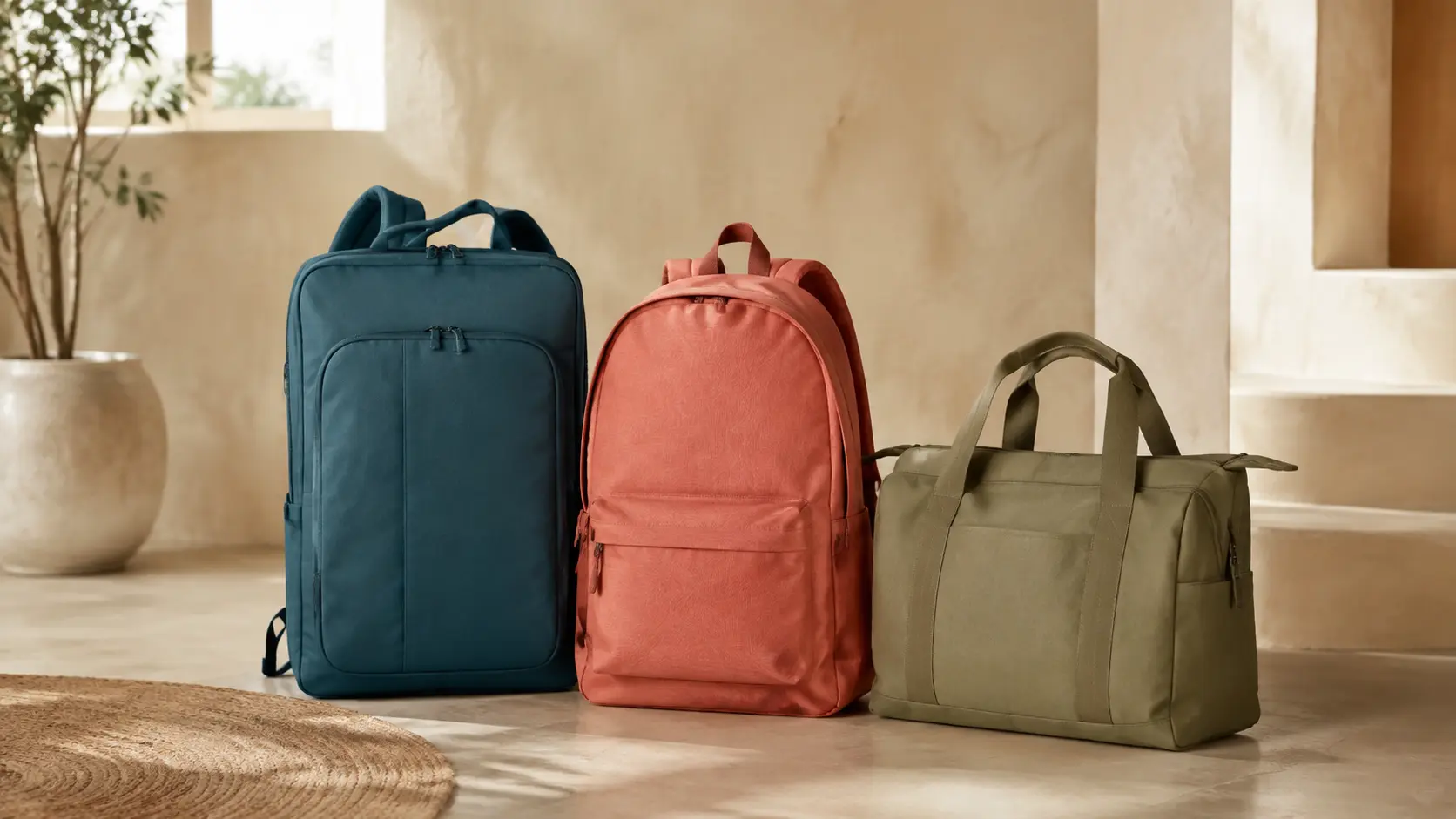
A backpack normally distributes weight across two shoulders and is the strongest general recommendation for longer walks or a heavier load. Look for adjustable straps, a back panel that does not become uncomfortable in heat, and a shape that keeps the laptop close to the body. A tote provides faster access and can look more structured, but a single shoulder carries the load. It is better suited to lighter contents or shorter transfers unless the design includes a genuinely usable alternative strap.
A messenger bag sits between those formats. It can keep documents and a compact laptop accessible, but one-sided loading remains a constraint. Check whether the strap hardware twists, whether the bag swings while walking and whether the closure secures the main compartment. Convertible products promise several modes, yet the unused straps and compromises can create bulk. Buy a convertible only when more than one mode will genuinely be used rather than because it expands a feature list.
Use gender, colour and price as optional filters
Women’s, men’s and unisex classifications can improve search relevance when they reflect preferred proportions, styling or retailer organisation, but they do not determine durability, comfort or fit. A shopper should be able to choose no preference and still reach the strongest functional options. Colour works the same way. Black is widely available and neutral, while lighter colours may show dirt differently; neither replaces construction evidence. Apply these preferences after the format and device requirements are fixed.
Set a maximum budget rather than a target to spend. Compare the final price of the exact colour and seller, not a crossed-out list price or a conditional card offer. Pay more when the evidence supports a meaningful improvement such as better laptop protection, appropriate organisation, a more comfortable harness or clearer warranty terms. Before purchase, verify seller, return window and the selected variant, because marketplace pages can mix sizes, colours and specifications under one title.